 China printing machine manufacturer
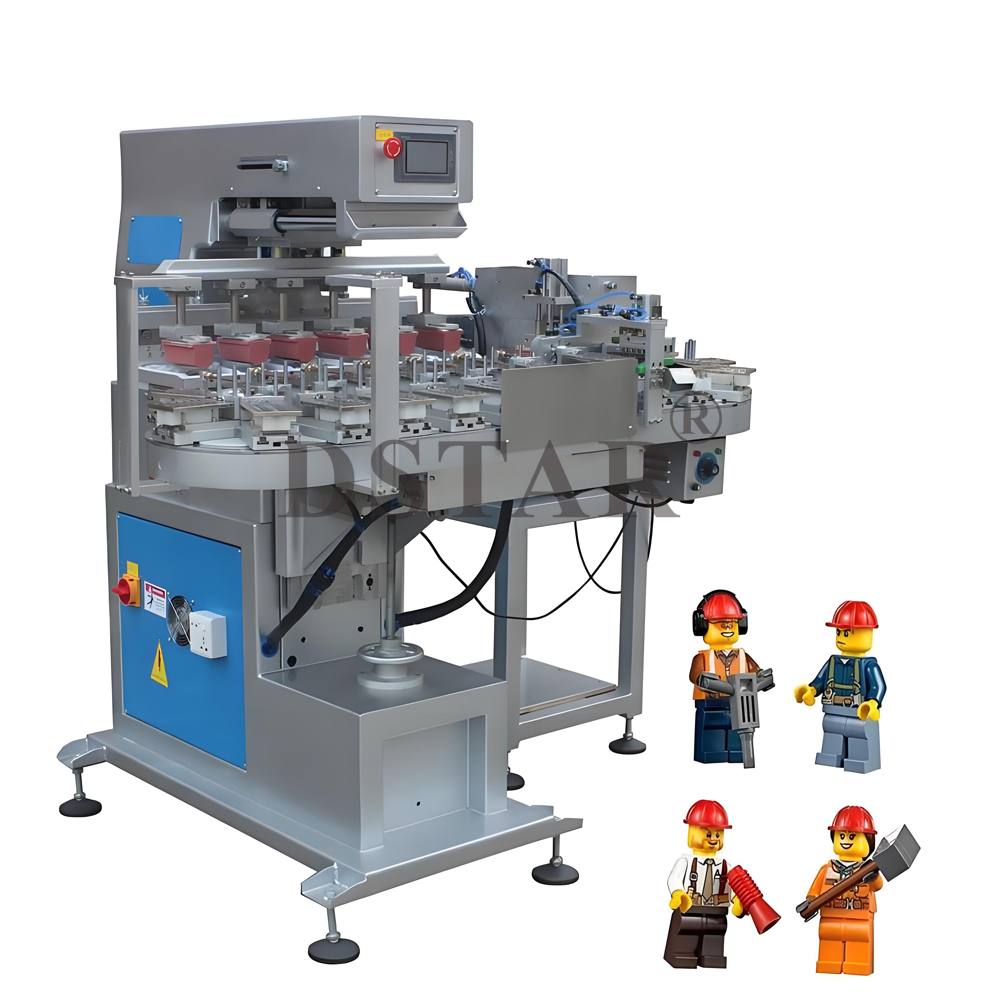
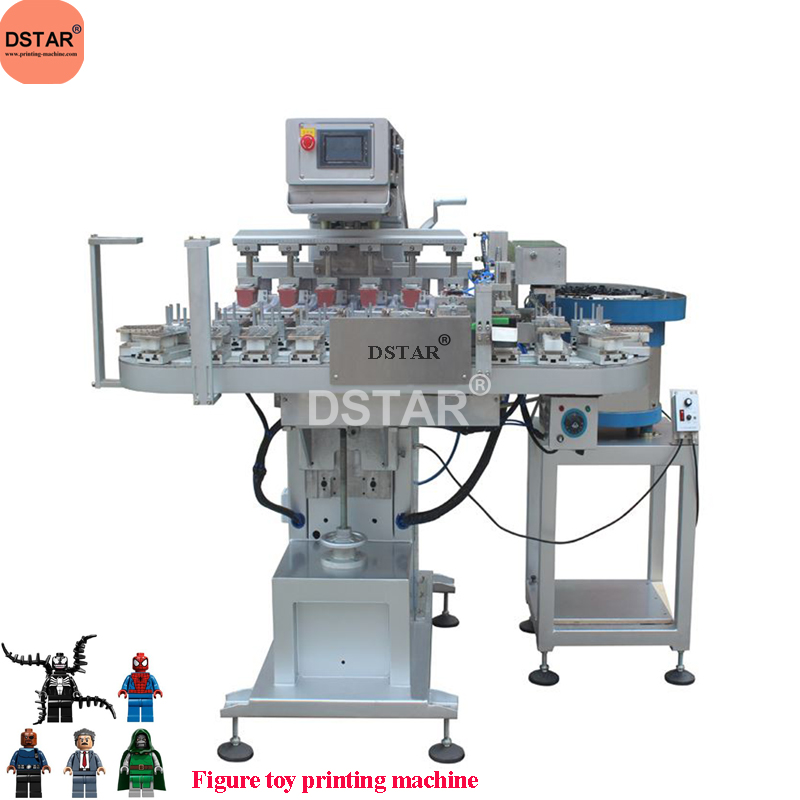
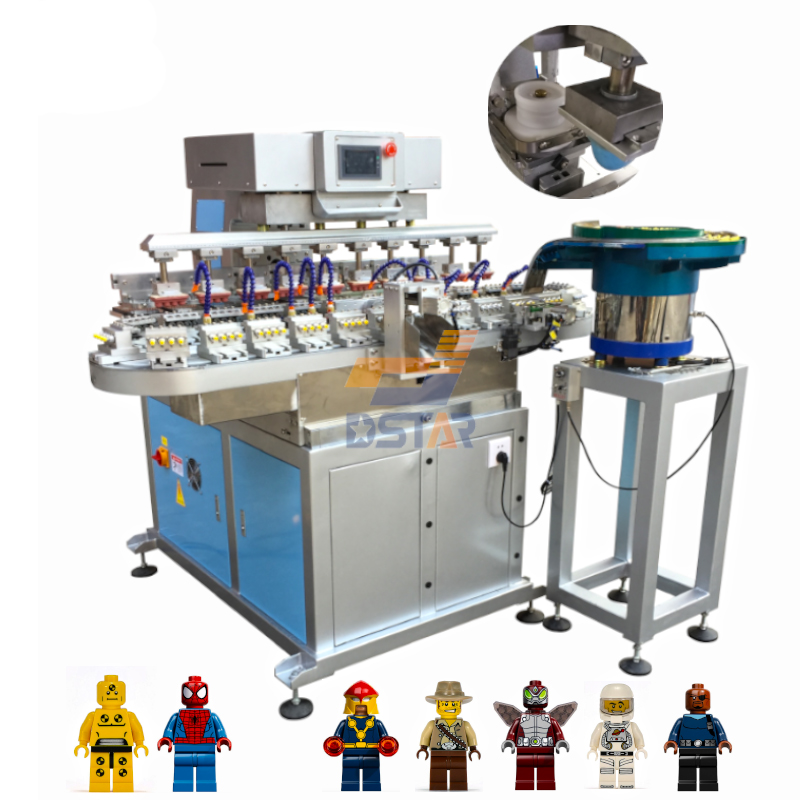
How is LEGO figure toy printed?is it it with Pad Printing or Digital UV Printing?Of course,it’s pad printing.A Comparison of Pad Printing’s Advantages
The vast majority of official LEGO toys are printed using the Pad Printing (Tampo Printing) process.
Digital UV printing is only utilized in very rare and exceptional cases—such as highly complex full-color custom pieces, personalized third-party studio creations, or on-site live printing during specific limited-time events. For large-scale, standardized industrial mass production, pad printing remains LEGO’s rock-solid core technology.
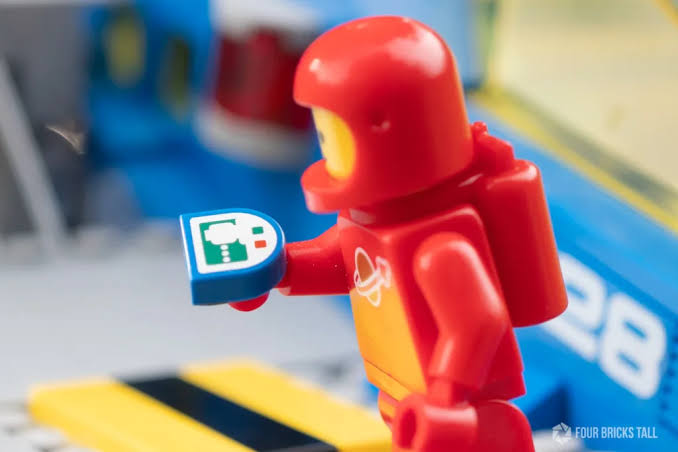
Classic LEGO minifigures feature highly precise pad printing on their surfaces.
Why Does LEGO Heavily Favor Pad Printing?
LEGO is world-renowned for its obsession with clutch power, precision, and durability. Through the in-depth comparison below, it is easy to see why digital UV printing cannot replace pad printing in mass production:
| Comparison Dimension | Pad Printing | Digital UV Printing (UV Inkjet) |
| Ink Thickness & Feel | The ink layer is extremely thin (typically a few microns), blending seamlessly with the plastic surface. The texture is smooth with no noticeable edges. | The ink layer is thicker due to UV curing, causing slight micro-stacking. It leaves a noticeable tactile ridge or textured buildup to the touch. |
| Wear Resistance (Lifespan) | Uses solvent-based inks that slightly “dissolve” and penetrate the ABS plastic surface, creating a molecular-level bond that is extremely resistant to scratching or friction. | It forms a surface-adhesion film cured by light, gripping only the top layer. It is prone to peeling under long-term handling, friction, or fingernail scratching. |
| Surface & Contouring Adaptability | Relies on the flexible deformation of a silicone pad to perfectly wrap around concave, convex, angled, or irregular surfaces (e.g., minifigure heads, arms, sloped bricks). | The printhead must maintain a strict, close distance to the object (usually <2mm). Large drops or complex curves cause scattering or overspray. |
| Production Efficiency (Mass Scale) | Extremely high. Using dedicated machines and etched cliché plates, the mechanical arm transfers images in a simple pick-and-place motion, ideal for non-stop assembly lines producing millions of identical parts. | Lower. The printhead must move back and forth to scan and print. While it eliminates plate-making time, the printing time per individual piece far exceeds pad printing. |
| Color Saturation (Spot Colors) | Can directly use pre-mixed spot colors (Pantone colors), delivering extremely pure, rich, and high-opacity color in a single pass. | Relies on CMYK four-color halftone dithering. On dark plastics (like black bricks), it requires a white ink base coat first and can show subtle graininess or color shifts. |
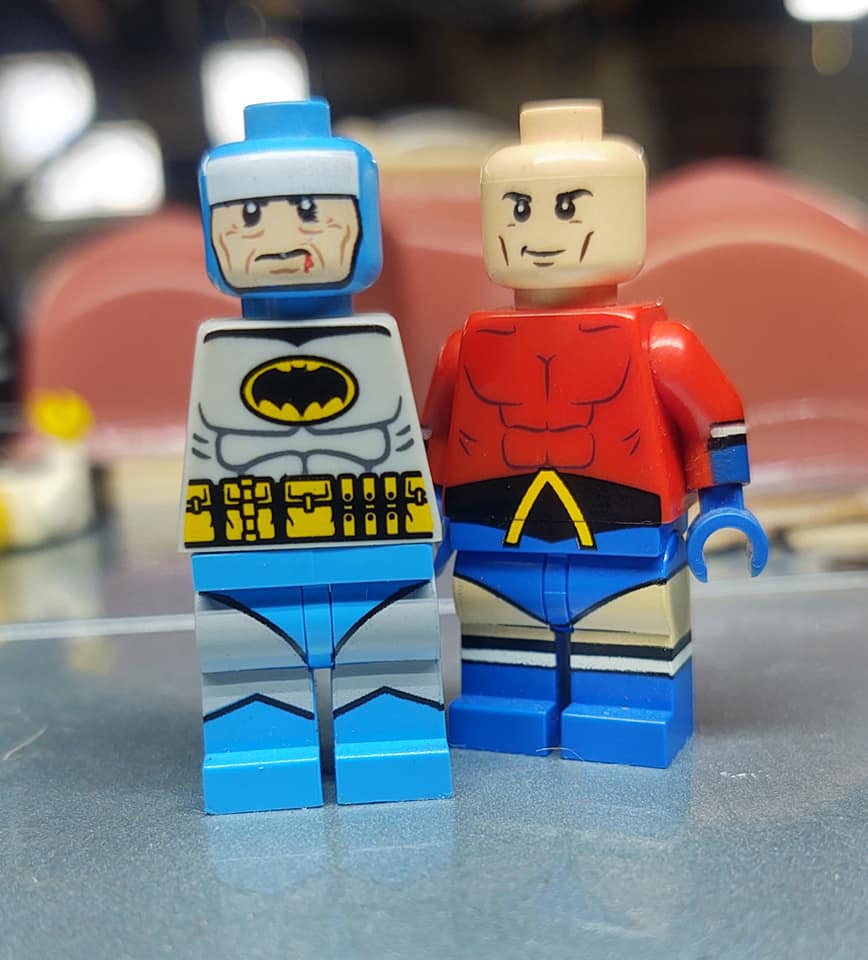
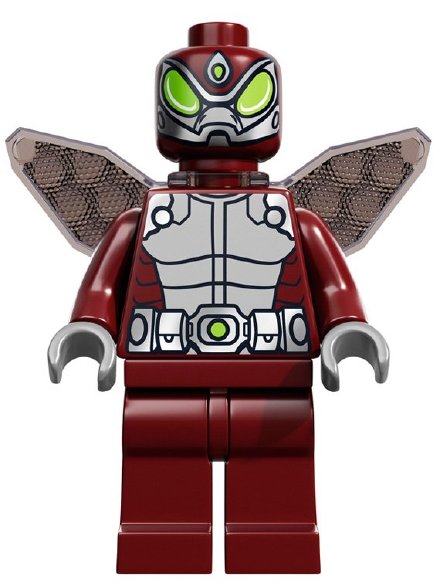
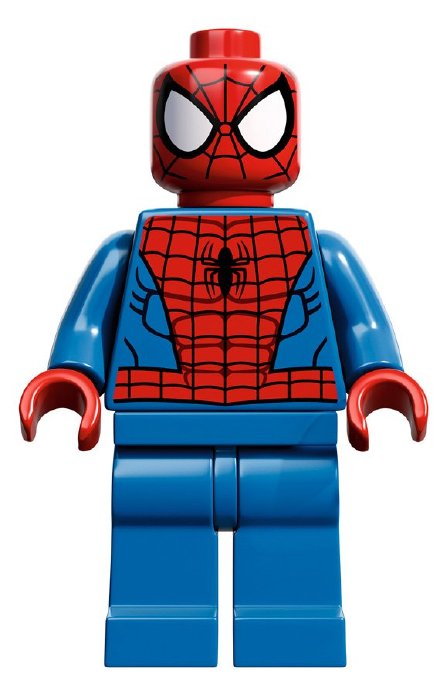
Summary: Core Advantages of Pad Printing
In the toy and plastic product industries, pad printing is recognized as the “King of Specialty Printing.” Its core competitive advantages are reflected in three major areas:
1. Flawless Adaptation to Irregular Shapes (Shape Agnostic)
The ultimate secret weapon of pad printing is the highly flexible silicone pad. Whether the toy surface is spherical, grooved, corrugated, or a complex stepped shape (such as minifigure helmets, arms, or tiny accessories), the silicone pad conforms perfectly like a stamp. It transfers the fine graphics from the cliché plate at 100% fidelity without stretching or blurring the artwork.
2. Extreme Wear and Scratch Resistance (Molecular Bonding)
Children’s toys face harsh daily environments, including constant gripping, fingernail scratching, biting, and sweat erosion. The moment solvent-based pad printing ink hits the ABS plastic, the solvent slightly bites into the plastic surface, fusing the pigment and the brick material into one. This level of adhesion is unmatched by the surface-level film of digital UV printing, ensuring the toys do not peel even after decades of play.
3. Ultimate Spot Color Performance and Opacity
Printing light-colored graphics on black or dark blue toy parts (like printing a white shirt onto a black torso) often results in a washed-out, grayish look with digital UV because the ink layer is too thin. Pad printing, however, can directly apply high-density, specially formulated spot-color inks. This achieves exceptional color saturation and complete coverage in a single pass, yielding sharp, crisp borders with zero noise or fuzzy edges.
Industry Consensus: Digital UV printing wins on “flexibility”—it requires no plate-making and is ideal for short runs of 1 to 100 pieces, prototyping, or customization. Pad Printing, on the other hand, wins on “quality and throughput,” making it the absolute gold standard for millions of high-quality, industrially mass-produced toys.

WeChat
Scan the QR Code with wechat