 China printing machine manufacturer
Pad Printing Machine for Plastic Toy
1. Introduction: Why Pad Printing Dominates Plastic Toy Decoration
The pad printing machine for plastic toy applications has become the backbone of modern toy manufacturing. As the global toy market is projected to grow from USD 141.92 billion in 2026 to USD 268.71 billion by 2035 (CAGR 7.35%), the demand for high-quality, durable, and visually appealing decorations on plastic toys has never been higher.
Pad printing technology offers unique advantages that make it indispensable for the plastic toy industry. Unlike screen printing or digital printing, pad printing excels at transferring precise images onto curved, concave, convex, and irregular surfaces—a common challenge when decorating three-dimensional plastic toys such as action figures, dolls, building blocks, and electronic toys.
2. Core Applications of Pad Printing Machines in the Plastic Toy Industry
2.1 Branding and Logo Printing
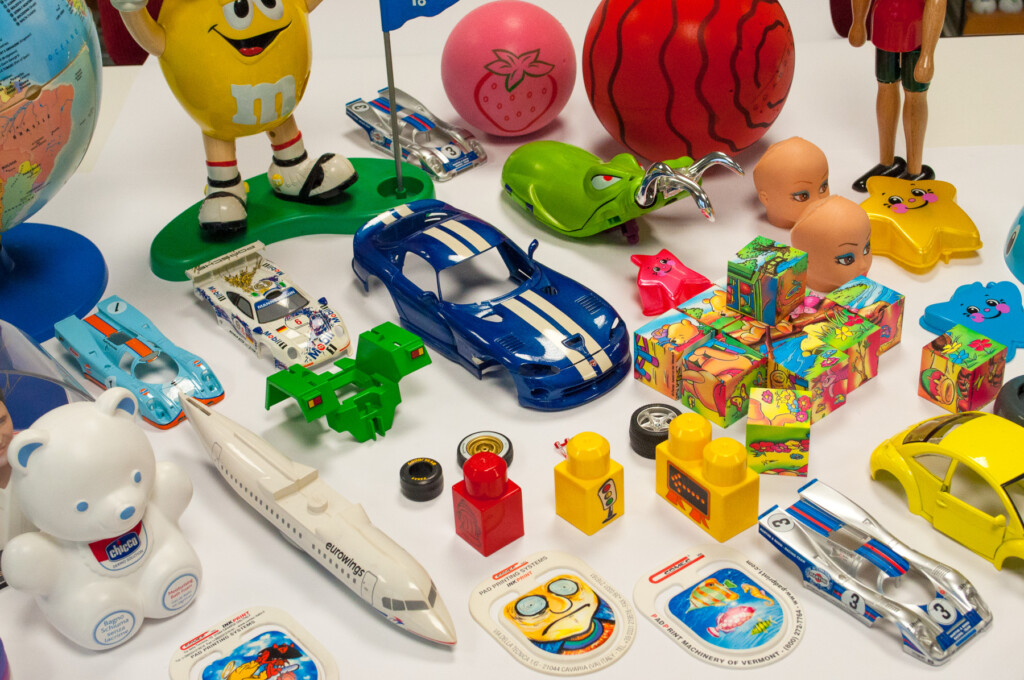
Manufacturers rely on pad printing machines to apply company logos, brand names, and trademark symbols onto plastic toy surfaces. The technology ensures consistent, high-resolution prints that withstand the rough handling typical of children’s play.
Well Known Whole world Famous toy Brand
🎮 Famous Toy Brand in the world
(The order is unrelated to the company’s market capitalization and size)

2.2 Character and Facial Features
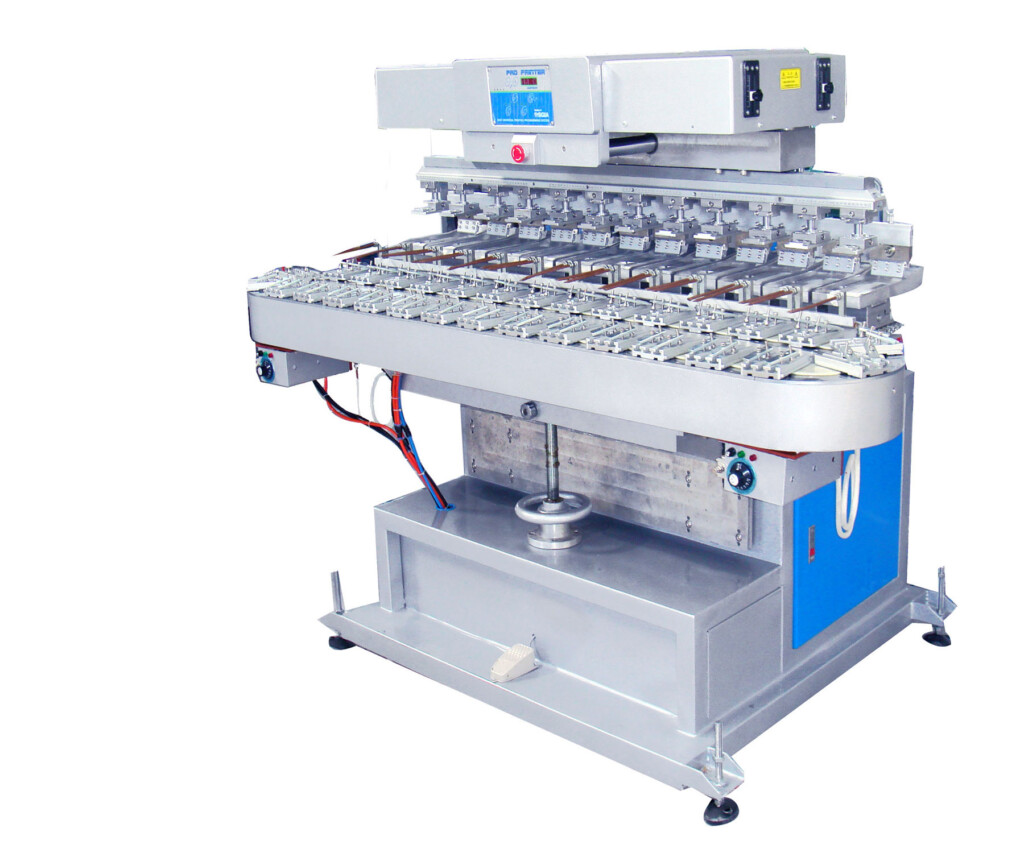
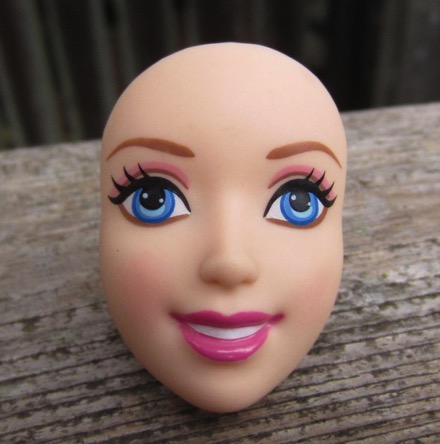
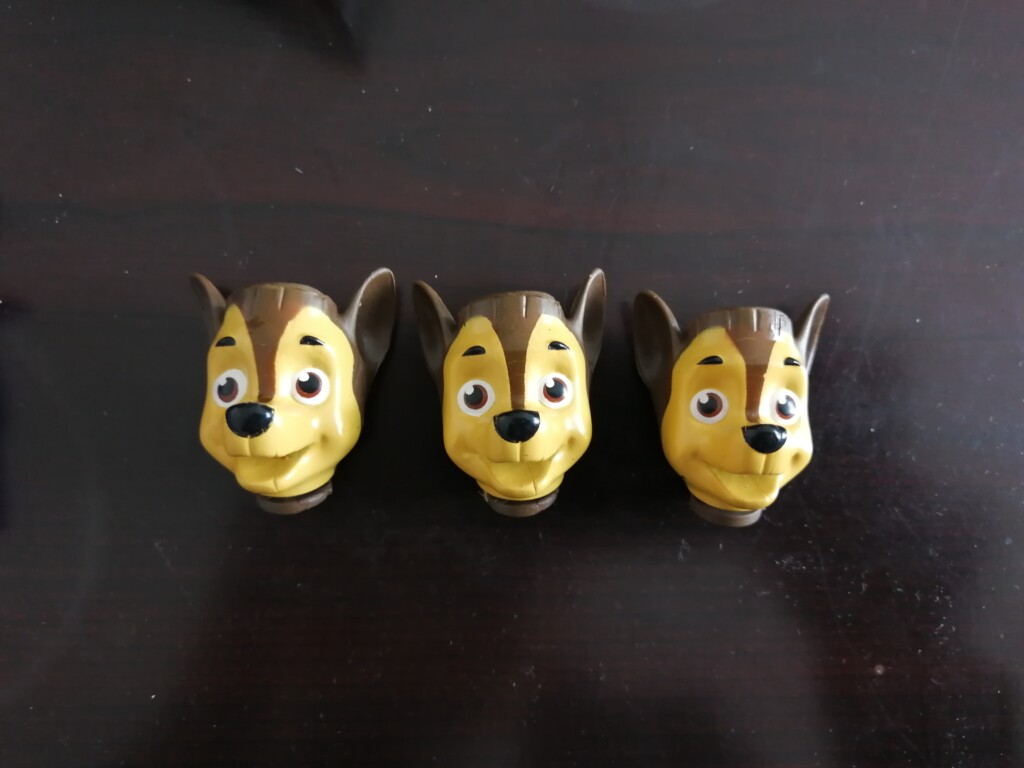
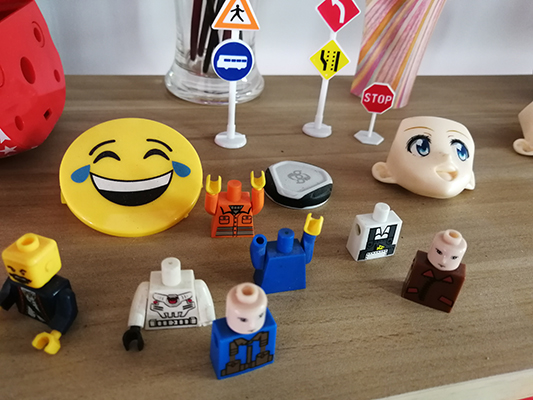
From the expressive eyes of dolls to the detailed faces of action figures, pad printing delivers micron-level accuracy. Multi-color pad printing systems can achieve up to 12 color pad printing on a single machine, enabling complex character designs without requiring multiple production passes.
2.3 Safety Information and Regulatory Markings
Plastic toys must comply with strict international safety standards. Pad printing is the preferred method for applying CE marks, age warnings, choking hazard symbols, and material composition labels on curved toy surfaces where other printing methods fail.
2.4 Decorative Patterns and Themed Designs
Licensed character toys (e.g., Marvel, Disney, anime figures) require precise color matching and sharp detail reproduction. The thin ink layer characteristic of pad printing allows for excellent color performance while maintaining the tactile quality of the plastic substrate.
2.5 Electronic Toy Component Marking
For toys incorporating electronics, pad printing machines mark circuit boards, battery compartments, and buttons with serial numbers and functional indicators—critical for both assembly and end-user safety.
3. Market Growth and Industry Statistics
The pad printing equipment market is experiencing robust expansion. According to industry research:
| Market Metric | Value |
|---|---|
| Global Pad Printing Machine Market (2025) | USD 1,260.3 Million |
| Projected Market Value (2035) | USD 2,014.2 Million |
| CAGR (2025–2035) | 4.8% |
| High-Precision Segment CAGR | 5.5% |
| Pad Printing Supplies Market (2025) | USD 2,798.4 Million |
| Supplies Market Projection (2033) | USD 4,333.25 Million |
3.1 Asia-Pacific: The Manufacturing Powerhouse
Asia-Pacific dominates the pad printing machine market, with China representing one of the fastest-growing markets. Major manufacturing clusters in Shenzhen, Dongguan, serve as global hubs for plastic toy production, driving continuous demand for advanced pad printing solutions.For example,Shenzhen DSTAR Machine Co.,ltd as a pad printing machine manufacturer with almost 30 years history.
3.2 Consumer Goods Segment Leadership
Within the pad printing supplies market, the Consumer Goods segment (which includes toys) is expected to expand at a significant CAGR, retaining its dominant position throughout the forecast period due to rising demand for customized and premium toy products.
4. Technological Advancements Shaping the Industry
4.1 Automation and Industry 4.0 Integration
Modern pad printing machines for plastic toys now feature:
Robotic loading/unloading for 24/7 unmanned operations
IoT connectivity for real-time production monitoring
Touchscreen control systems enabling precise parameter adjustments
Automated color change systems reducing setup times by approximately 40%
4.2 Multi-Color and High-Precision Systems
The shift toward multi-color pad printing solutions is a major market driver. Advanced machines now offer:
- 6-color to 12-color printing capabilities
- Automated registration systems for perfect color alignment
- High-speed production cycles suitable for mass manufacturing
4.3 Eco-Friendly Ink Innovations
Sustainability is reshaping the industry. Key developments include:
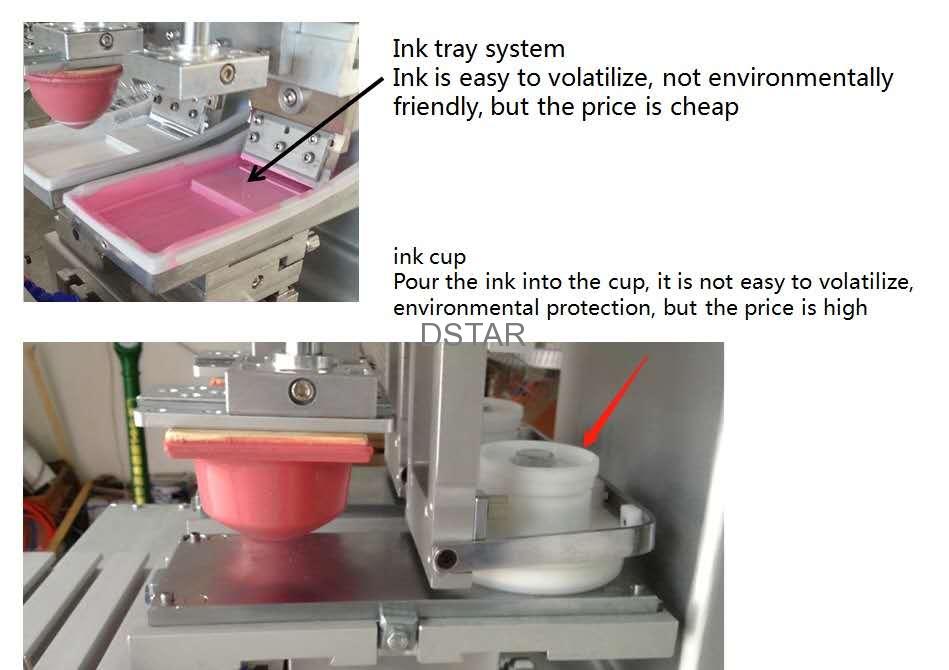
- Closed ink cup systems reducing solvent emissions and ink waste
- UV-curable inks enabling faster drying and lower energy consumption
- Water-based and biodegradable inks meeting EU and US environmental regulations
- Low-VOC formulations improving workplace safety
4.4 AI-Powered Quality Control
Emerging technologies incorporate:
- AI-based alignment systems for automatic substrate positioning
- Real-time defect detection using machine vision
- Predictive maintenance algorithms reducing downtime
- Automated viscosity control ensuring consistent print quality
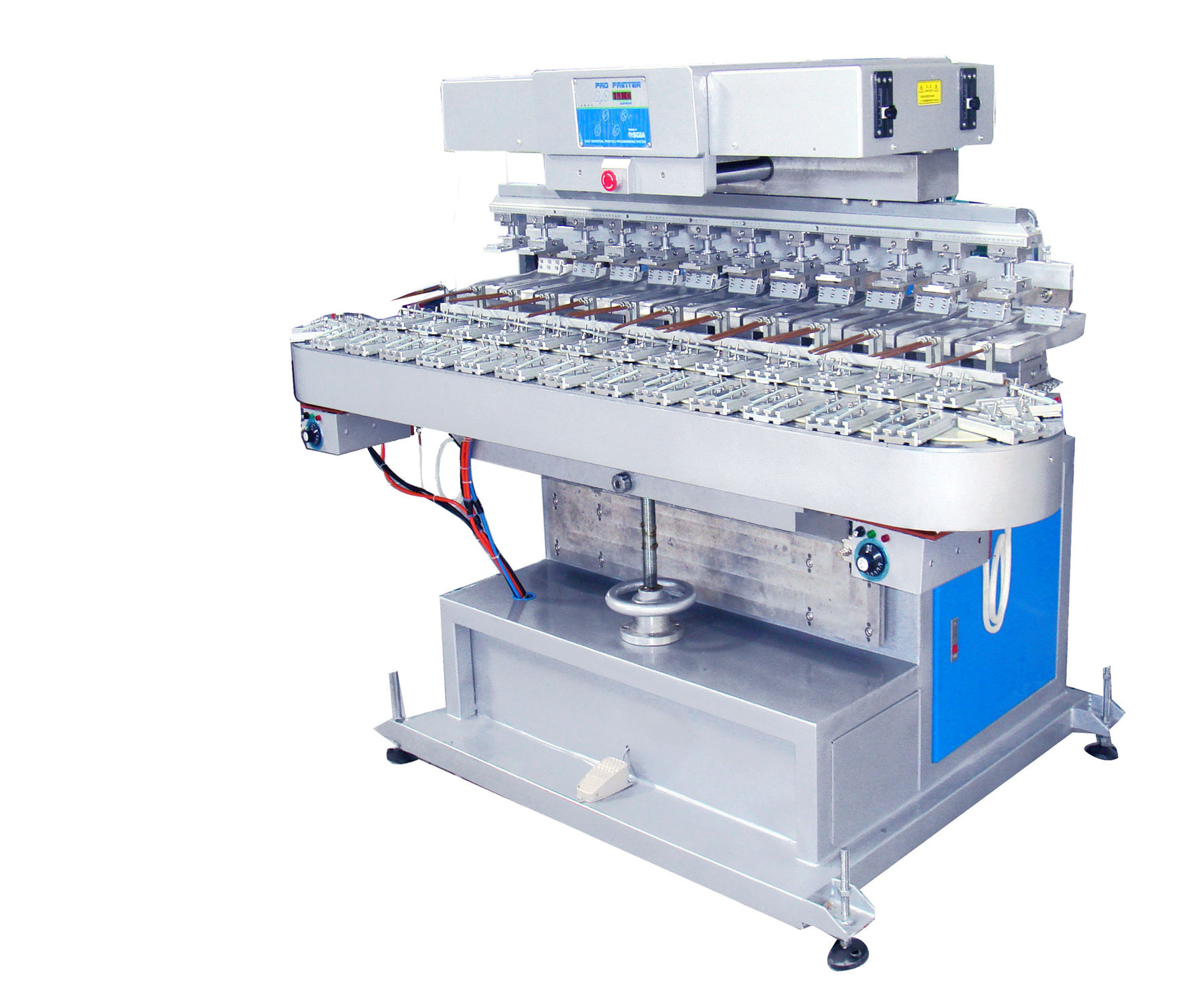
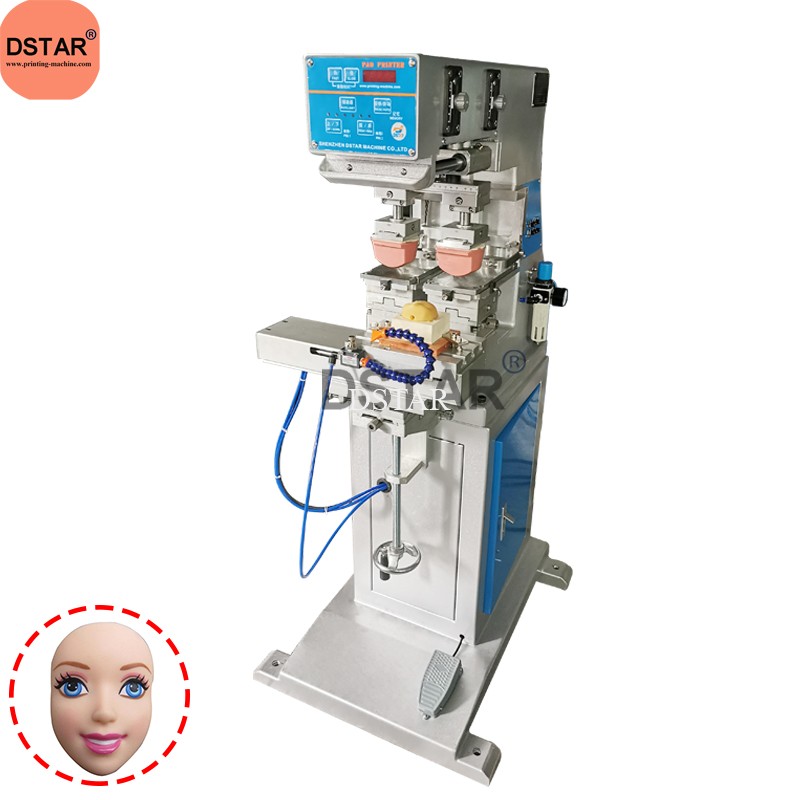
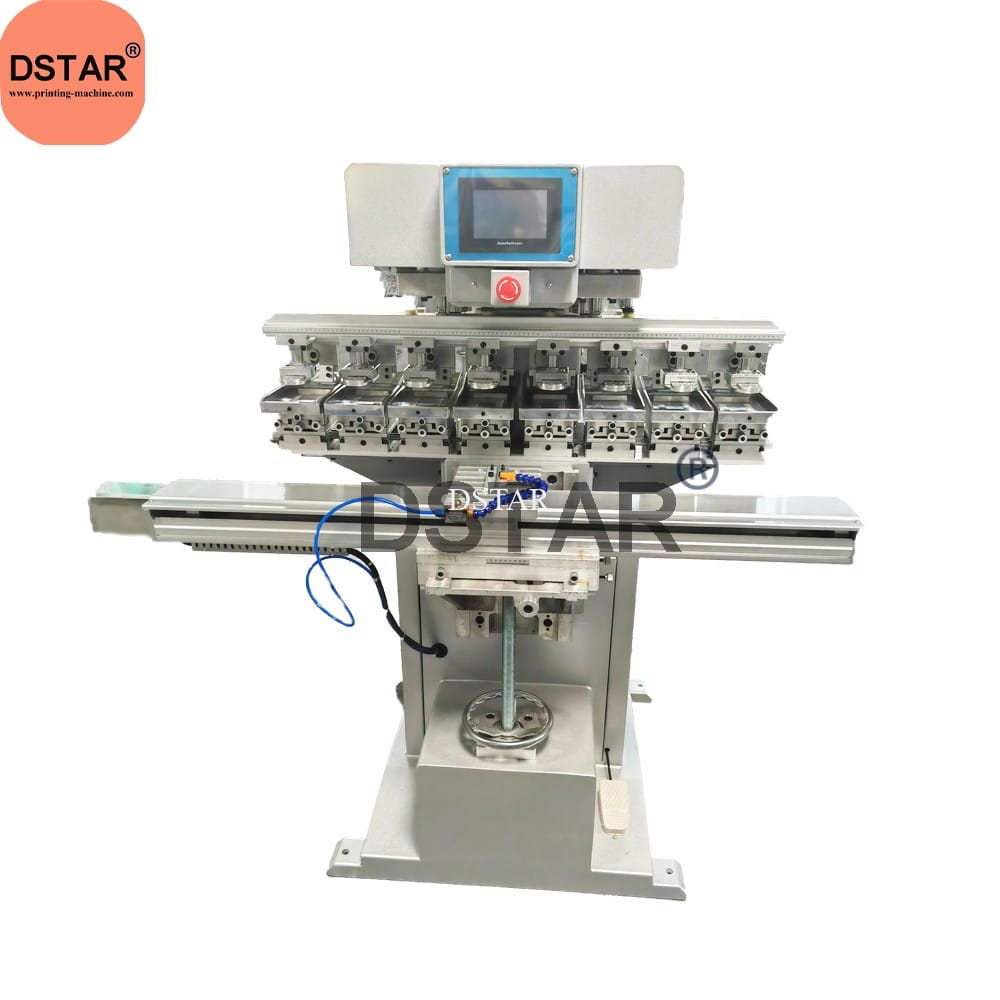
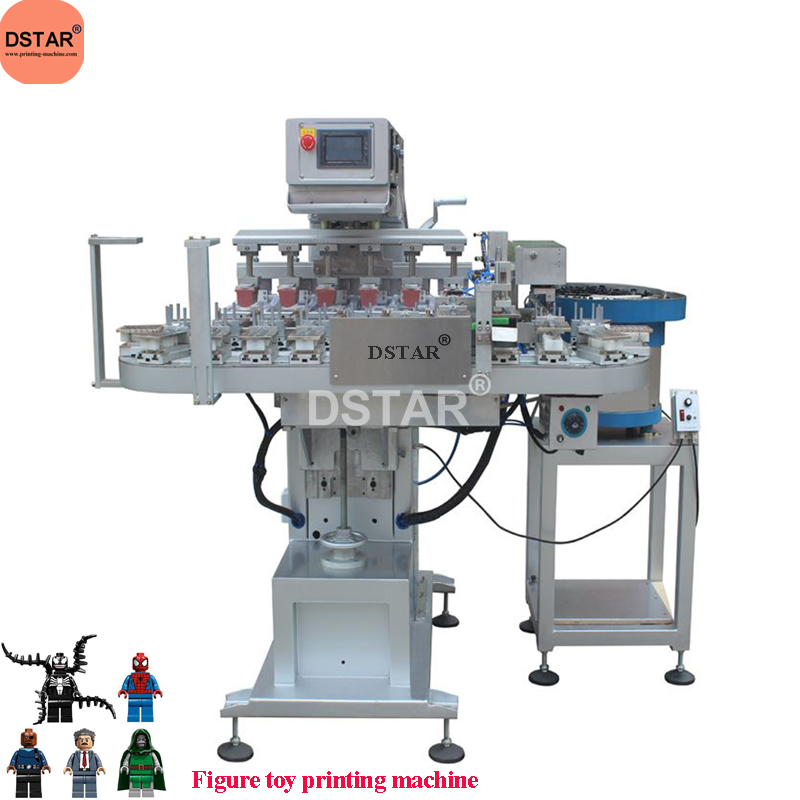
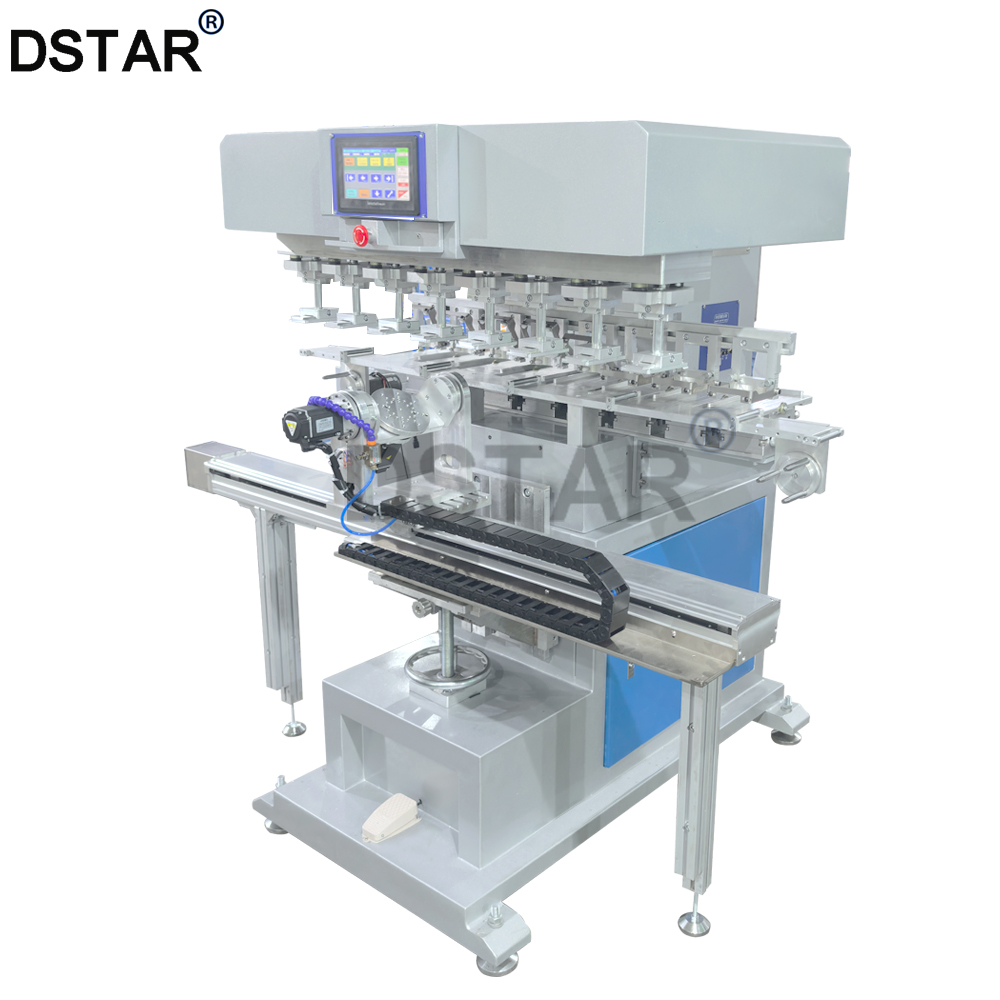
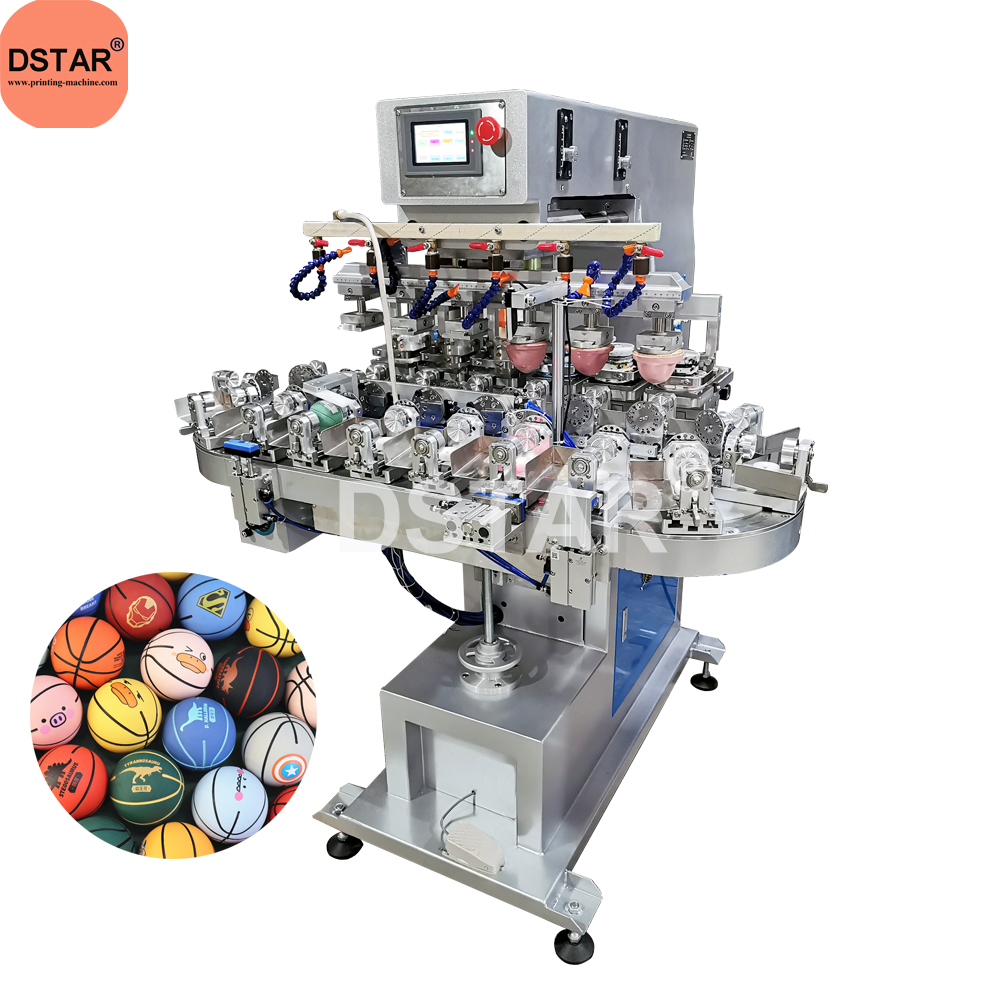
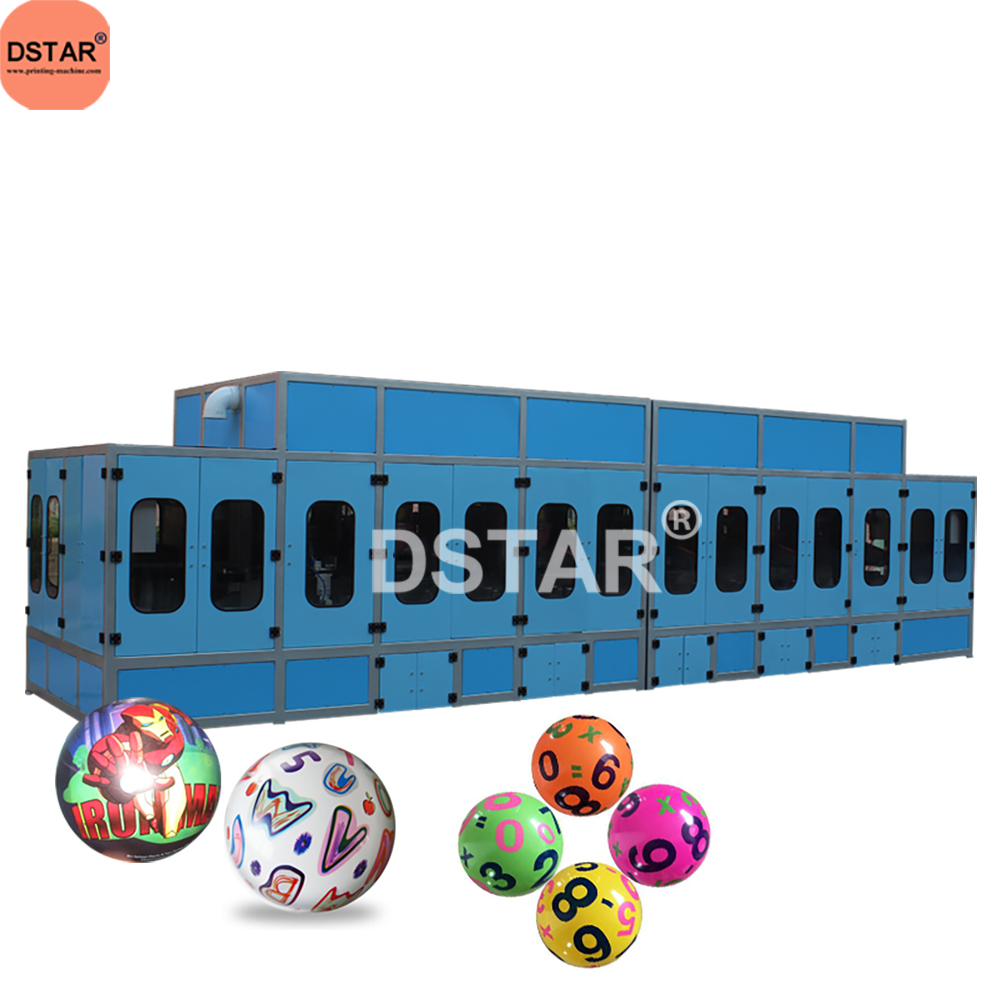
Toy pad printing machines

💡 鼠标悬停暂停滚动,也可以拖拽手动浏览
5. Future Development Directions
5.1 Smart Factory Integration
By 2030, pad printing machines will be fully integrated into smart manufacturing ecosystems. Cloud-based monitoring, digital twins, and AI-driven process optimization will become standard features, enabling toy manufacturers to achieve zero-defect production at unprecedented speeds.
5.2 Hybrid Printing Systems
The convergence of pad printing with digital printing technologies is creating hybrid systems that combine:
- The flexibility of digital for variable data and short runs
- The reliability and speed of traditional pad printing for mass production
- Reduced setup waste through digital pre-press capabilities
5.3 Sustainable Manufacturing Focus
As 35% of consumers now prefer eco-friendly toy alternatives, pad printing technology is evolving to support:
- Recycled plastic substrates compatibility
- Energy-efficient drying systems
- Closed-loop ink recycling programs
- Compliance with stricter global environmental standards
5.4 Customization and On-Demand Production
The rise of personalized toys is driving demand for quick-changeover pad printing systems. Manufacturers are investing in modular machines that can switch between designs in minutes, supporting small-batch custom orders alongside high-volume production runs.
5.5 Integration with 3D Printing Workflows
As 3D printing becomes prevalent in toy prototyping, pad printing machines are being positioned as the ideal post-processing decoration solution—bridging the gap between rapid prototyping and finished product aesthetics.
6. Key Challenges and Solutions
| Challenge | Impact | Emerging Solution |
|---|---|---|
| High initial investment (\$25,000–\$150,000) | Limits SME adoption | Leasing models and modular entry-level systems |
| Skilled operator shortage (68% of manufacturers affected) | Production inefficiency | AI-assisted operation interfaces and automated calibration |
| Competition from digital printing | Market share pressure | Hybrid systems leveraging both technologies |
| Regulatory compliance complexity | Increased costs | Pre-certified ink systems and automated compliance reporting |
7. Conclusion
The pad printing machine for plastic toy applications stands at the intersection of tradition and innovation. While the technology’s core advantages—printing on complex 3D surfaces, multi-color capability, and cost-effectiveness—remain unchanged, the industry is rapidly evolving through automation, sustainability, and digital integration.
For toy manufacturers, investing in modern pad printing technology is not merely about decoration; it is about ensuring product safety, meeting regulatory requirements, reducing environmental impact, and staying competitive in a market projected to nearly double by 2035.
As AI, IoT, and eco-friendly materials continue to reshape manufacturing, pad printing machines will remain essential tools—evolving from standalone equipment into intelligent, connected components of the smart factories of tomorrow.
FAQs
Q: Why is pad printing preferred over screen printing for plastic toys?
A: Pad printing can decorate curved, concave, and irregular surfaces that screen printing cannot handle efficiently. It also supports multi-color printing on a single machine and produces thinner ink layers ideal for detailed toy designs.Such as eyes
Q: What is the typical ROI period for a pad printing machine in toy manufacturing?
A: Depending on production volume and automation level, manufacturers typically achieve ROI within 12–24 months through reduced labor costs, faster setup times, and decreased material waste.
Q: Are pad printing inks safe for children’s toys?
A: Yes. Modern toy-grade pad printing inks comply with EN 71, ASTM F963, and CPSIA standards. Many manufacturers now offer phthalate-free, heavy-metal-free, and food-contact-safe ink formulations.
Q: Can pad printing machines handle recycled plastics?
A: Advanced pad printing systems with plasma or flame pre-treatment can effectively print on recycled and bio-based plastics, supporting sustainable toy manufacturing initiatives.
Q: Is there any reliable and professional pad printing machine mafacturer to recommend?
A: To find a reliable and professional pad printing machine manufacturer,you can contact and communicate with the sales.Especially with a phone call or video call,if they can fluently and professionaly answer your question.You can try to buy from them.Do not just type message or email contact.
Kindly suggest to contact with Shenzhen DSTAR Machine Co.,ltd if you need to buy plastic toy printing machine.

WeChat
Scan the QR Code with wechat