 China printing machine manufacturer
Heat Transfer Printing Technology
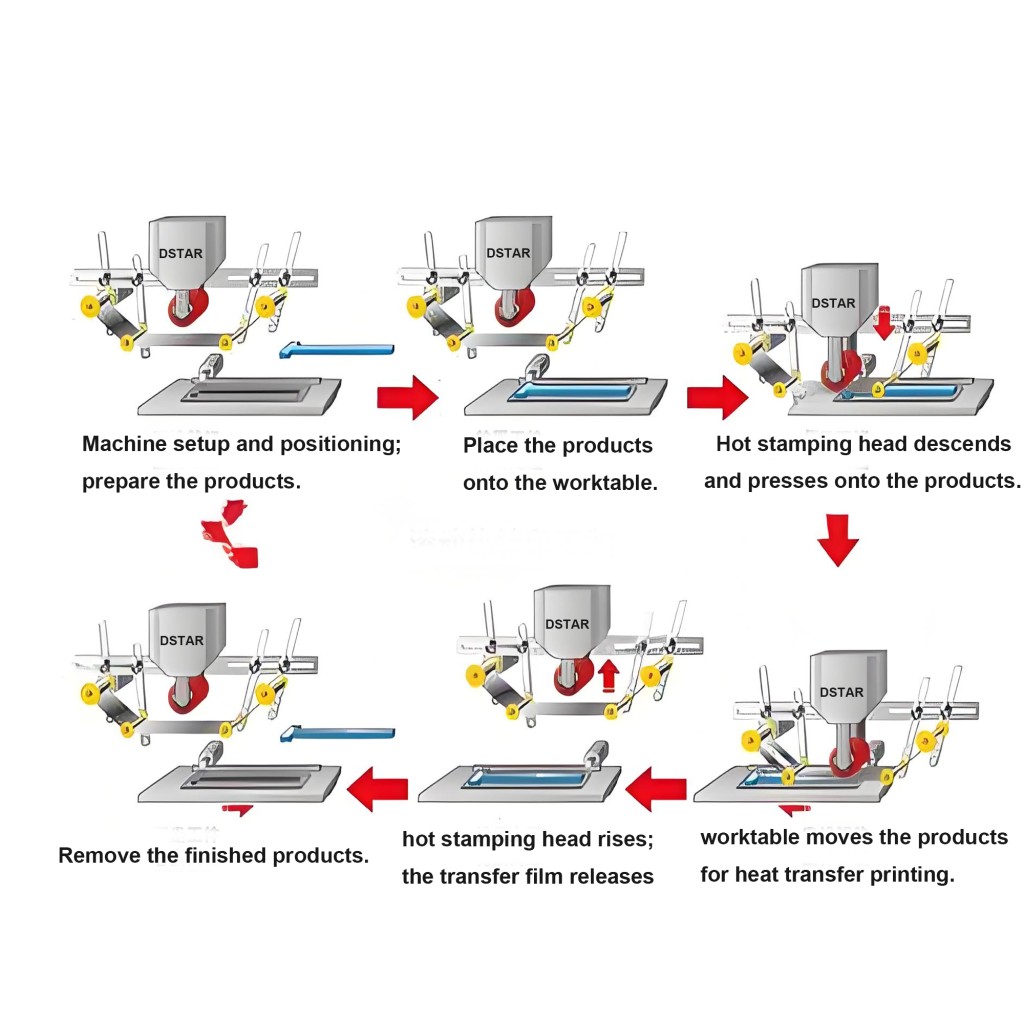
Heat transfer printing is a film-based process. It uses heat and pressure to transfer a pre-printed design from a carrier film—commonly known as a heat transfer film or “flower film”—onto the surface of a product. This method is celebrated for delivering vibrant, multi-colour, and highly detailed graphics in a single operation, making it a cornerstone technology for enhancing product value across the plastics, consumer goods, and electronics industries.
At Shenzhen DSTAR Machine Co., Ltd. , we understand that exceptional results depend on both high-quality machinery and the expertise behind the process. As a leading manufacturer of pad printing machines, screen printing machines, hot stamping machines, and heat transfer machines, we are your comprehensive partner in specialty printing. While our heat transfer printing machines are engineered for precision and efficiency, we also recognize that the process begins with the right knowledge. This guide explores the core of the technology: the heat transfer film and its applications.
What is Heat Transfer Printing?
Heat transfer printing is a two-part process. First, the desired pattern is pre-printed onto a carrier film—typically a PET (polyester) film—using high-resolution gravure printing, which can achieve resolutions up to 300dpi. This allows for intricate, richly layered, and vividly coloured designs with minimal colour variation.
Second, a heat transfer machine applies heat and pressure to transfer the printed pattern from the film onto the final product. Under these conditions, the ink layer and the product surface integrate, creating a realistic, beautiful, and durable decoration that significantly enhances the product’s perceived quality and value
Key Applications of Heat Transfer Printing
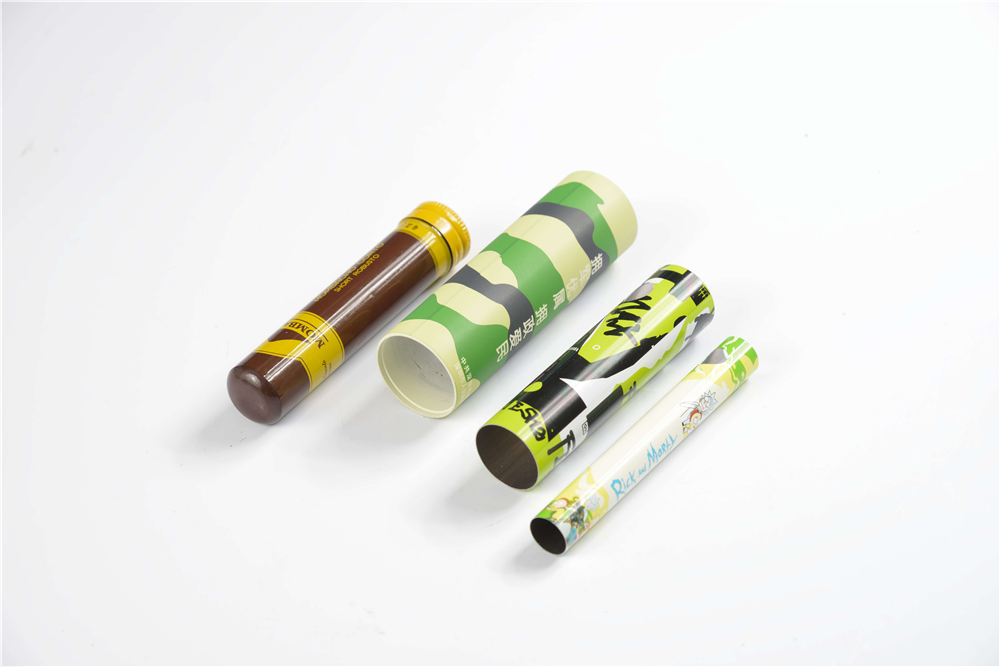
The core strength of heat transfer printing lies in its ability to apply complex, full-colour graphics in a single step, particularly on three-dimensional or curved surfaces that are difficult to print on directly. Its primary applications include:
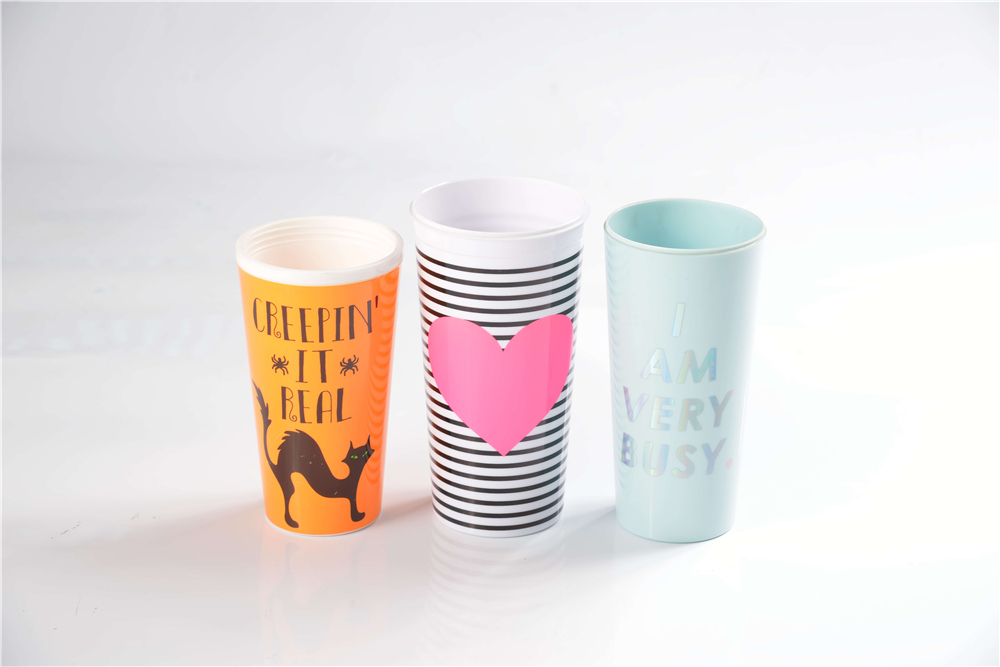
- Plastic Products: This is the largest market for heat transfer printing. The technology excels on various plastics, including ABS, PS, PP, PE, and EVA. It can decorate flat, curved, cylindrical, and irregularly shaped items. Typical products include daily-use items (like Tuppeware cups), cosmetic packaging (such as bottles for brands like Maybelline and Avon), stationery, toys, electronic housings, and building material trims.
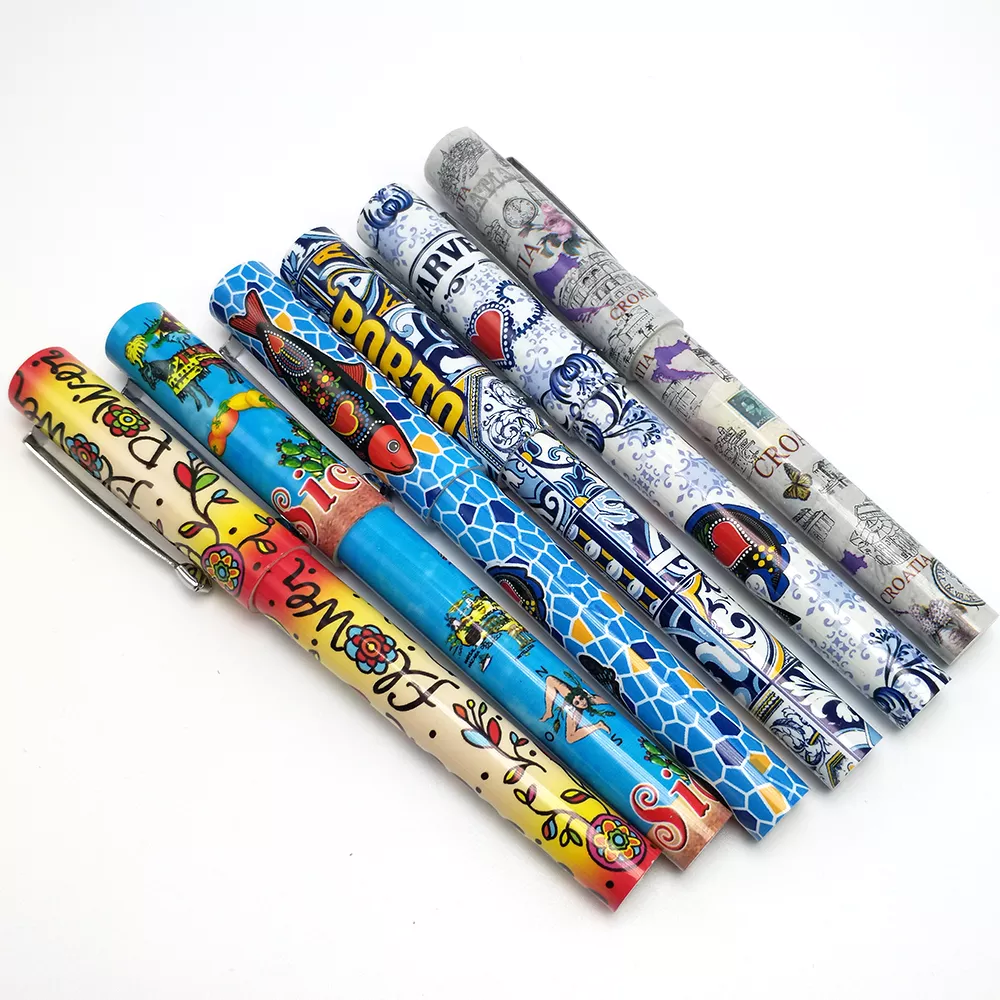
- Stationery and Toys: Specifically, heat transfer printing is the preferred method for decorating cylindrical items like plastic pen barrels and markers, as well as a wide range of plastic toys. Its ability to deliver vibrant colours and achieve high production speeds makes it an ideal choice for these high-volume industries.
- Cosmetic and Personal Care Packaging: The process offers high gloss, fine detail, rich colour gradients, excellent adhesion, and good abrasion resistance. These qualities make it one of the premier processes for elevating the appearance of cosmetics and skincare packaging.
- Glassware and Alcoholic Beverage Bottles: Heat transfer technology has been successfully applied to decorate glass surfaces, including bottles for alcohol and cosmetics. Compared to traditional glass baking processes, this method uses significantly lower temperatures (under 180°C) and shorter curing times (10-15 minutes), leading to substantial energy savings.
- Coated Metal and Wood: The technology is also effective on coated metal surfaces (like aluminum sheets, metal stationery, and gifts) as well as wood and coated leather, making it a popular choice for furniture decoration and gift packaging
Core Advantages of Heat Transfer Printing
- Exceptional Decorative Quality: The use of gravure printing for the film results in excellent gloss, high opacity, good wear resistance, and superb lightfastness. This is key to enhancing the product’s aesthetic value and brand recognition.
- High Efficiency on Complex Shapes: This is the most significant technical advantage of heat transfer printing. It can apply multi-colour graphics in a single step on curved and irregular surfaces. This method is typically 5 to 10 times faster than traditional printing methods.
- Broad Material Compatibility: The process works on a wide range of substrates, including plastics, glass, metal, wood, and leather, offering great application flexibility.
- Environmentally Friendly: Heat transfer printing uses no solvents or liquid inks during the transfer process, making it a relatively clean and environmentally friendly production method
Limitations and Considerations
- Dependence on the Heat Transfer Film: The process requires a pre-printed film and MOQ, which is a consumable that adds to production costs.It perhaps that you have to import from China with good quality and competitive price,but it will take long for delivery due the shipping and the sample confirmation.
- Initial Setup Costs: Custom films require the creation of a gravure cylinder, which incurs engraving costs. This can make the per-unit cost high for small-batch, high-variety production runs.
- Substrate Surface Requirements: To ensure good adhesion, the product surface may need to be treated or coated, especially for non-polar materials like PP and PE, or for glass and metal surfaces which often require a special coating to accept the transfer.
- Limited Flexibility for Design Changes: Once a film is printed, the design is fixed, making it less suitable for applications where designs are frequently changed. It is best for mass-producing standardized products.
Essential Consumable: The Heat Transfer Film
The soul of the process is the heat transfer printing film. This is a multi-layered functional film whose structure directly influences the final transfer quality. A typical structure includes:
- Carrier Layer: Usually a PET film, chosen for its heat resistance, pressure resistance, and dimensional stability.
- Release Layer: This layer melts upon heating, allowing the printed graphic to cleanly separate from the PET carrier.
- Printing Layer: The core that carries the design. The quality is typically achieved using gravure printing for fine detail.
- Adhesive Layer: This layer, activated by heat and pressure, bonds the design firmly to the product surface
A critical requirement for a high-quality film is the balance between being “loose” and “tight”—it must release easily from the carrier during transfer (“loose”) while firmly bonding to the product (“tight”). It must also exhibit excellent scratch and weather resistance
The Future of Heat Transfer Printing Technology
The technology is evolving towards more functional, precise, and sustainable applications.
- Functional Films: The market is seeing the rise of specialty films, including those with localized metallic effects (like hot stamping film), matte finishes, and films with integrated anti-counterfeiting or temperature-indicating functions.
- Expanding Applications: Beyond traditional plastics and cosmetics, heat transfer is penetrating high-value segments, including glass bottles, home appliance panels, and automotive interior parts, where high durability and aesthetic quality are paramount.
- Advancements in Production: Continuous innovation is improving film properties. For instance, new formulations for release layers have significantly improved the heat resistance, overlapping ability, and weatherability of films to internationally competitive levels.
- Sustainability and Smart Manufacturing: The industry is actively developing biodegradable and environmentally friendly inks and substrates. Simultaneously, the integration of automated and intelligent production management systems will be key to optimizing workflows and future competitivenes
Conclusion
Heat transfer printing, with the heat transfer film at its core, has become an indispensable process for high-quality surface decoration. Its superior decorative effect, efficiency on complex shapes, and broad material compatibility make it the go-to choice for adding significant value to a vast range of products.
From the functional evolution of the film itself to the expanding horizons of its application and the technology’s increasing sustainability, heat transfer printing is poised to play an even greater role in meeting the demands for product differentiation and personalization.
If you are interested in learning more about our heat transfer printing machines, customized heat transfer films, or any other specialty printing solutions, please feel free to contact DSTAR sales team.

WeChat
Scan the QR Code with wechat